
Skin and personal careHousehold materials
Nickel: the metal behind many jewellery rashes
CAS 7440-02-0.Also known as Ni, nickel compounds, and nickel allergy.
Editorial draft Last reviewed 15 November 2026 About 686 words
CC INDEX
How it works54/100 Moderate
Nickel is a common cause of allergic skin rashes, and some nickel compounds cause lung and nasal cancer in workers. Everyday exposure is common but generally low. The sources reviewed show few consumer limits, so the score sits in the moderate band.
An editorial summary of this article’s cited evidence. It isn’t medical advice or a personal risk estimate.
Age index
What is the age index?Which age groups are more affected by this chemical’s possible health issues, based on this article’s sources.
- Pregnancy Unborn babies Not well studied
- Infants 0 to 1 Not well studied
- Young children 1 to 5 Moderate
- Children 6 to 12 Moderate
- Teens 13 to 19 Moderate
- Adults 20 to 64 Moderate
- Older adults 65 and over Moderate
- Nickel allergy can develop at any age after repeated skin contact; the sources reviewed give no age-specific data.

Illustration of everyday metal items. Nickel in jewellery, watch straps, buckles and coins can trigger skin allergy in some people.
Credit: Chemical Century; AI-generated illustration
License: CC0 1.0
Illustration, not a photograph of a specific product. Resized and cropped for the web.
If a cheap earring, belt buckle or watch strap has ever left you with an itchy rash, nickel may be the reason. This hard, silvery metal is used in stainless steel, coins and plated jewellery because it resists corrosion. For most people the main concern is skin allergy, which can develop after repeated contact and then last for life. Everyday exposures are generally too low to matter for cancer, which has been linked to nickel compounds mainly in workplaces.
Everyday exposure: where you meet it and how much
The general population is exposed to low levels of nickel in air, water, food and tobacco smoke, and through nickel-plated materials such as coins, jewellery and stainless-steel cooking and eating utensils. [1] Nickel and other metals are also found in watch straps, metal zips, bra hooks, buttons, pocketknives, lipstick holders and powder compacts. [2]
Workplace exposure is common where nickel and its compounds are made or used, including mining, smelting, welding, casting and grinding, mainly by breathing dust and fumes or through skin contact. [1]
Known and suspected harms
Evidence labels are editorial summaries, not individual risk predictions: established means recognized under the stated conditions; probable means a likely contribution with uncertainty; possible means limited evidence; disputed means assessors disagree. These labels do not describe how common an effect is.
- Established — skin allergy: nickel is a common cause of allergic contact dermatitis. [2] A reaction does not occur on first contact but can develop with later exposures, often appears 24 to 48 hours after contact, and once the allergy develops it lasts for life. [2]
- Established — cancer from workplace exposure: exposure to various nickel compounds increases the risk of lung cancer and nasal cancer. [1]
- Established — low everyday exposure: NCI says exposures of the general population to nickel compounds are almost always too low to be of concern. [1]
Reducing avoidable exposure and harm
If you react to nickel, avoid further contact with the items that cause the rash; MedlinePlus notes dermatitis may return if the cause is not identified and avoided. [2] For a rash, washing the area with plenty of water and using moisturizers can help the skin repair. [2] Workers should follow occupational exposure limits for nickel compounds. [1]
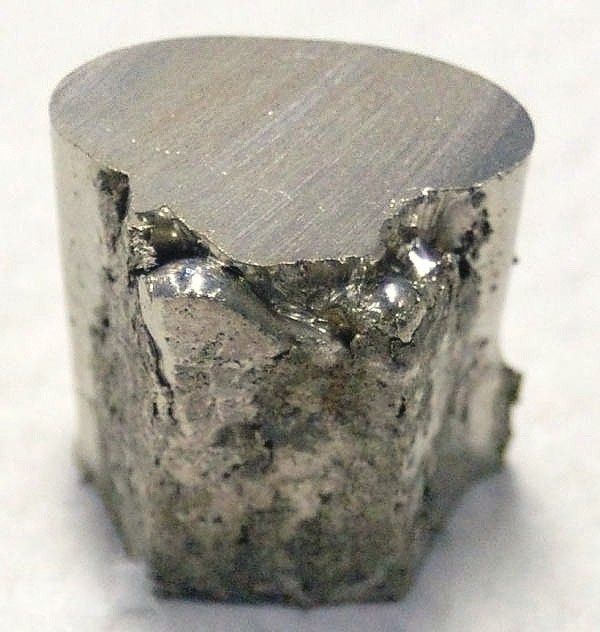
Nickel metal.
Credit: Materialscientist / Wikimedia Commons

License: CC BY-SA 3.0
Resized for the web; no content edits
What it is
Nickel (CAS 7440-02-0) is a silvery-white metallic element found in the Earth's crust, and it can combine with other elements to form nickel compounds. [1,4]
What it does and why it is used
Most nickel is used in metal alloys because it adds corrosion resistance, heat resistance, hardness and strength. [1]
Regulatory status and health context
Canada
None of the Canadian sources checked for this review set nickel limits for consumer products, so Canadian rules are not summarized here.
United States
The US Occupational Safety and Health Administration has issued workplace exposure limits for nickel compounds. [1]
European Union
Several nickel compounds, such as nickel monoxide and nickel dioxide, are on the EU cosmetics regulation's list of prohibited substances (Annex II), as originally published. [3] Other EU rules on nickel could not be checked for this review because the EU law website was not fully available.
Environmental notes
Nickel and its compounds get into the air through natural processes, such as windblown dust and volcanic eruptions, as well as through industrial activities. [1]
Quick facts
- CAS: 7440-02-0. [4]
- Where: jewellery, coins, buckles, stainless steel and some workplaces. [1,2]
- Main danger: allergic skin rash; cancer from workplace nickel compounds. [1,2]
- Most at risk: people with nickel allergy and exposed workers. [1,2]
Sources
All URLs were fetched on 2026-11-15, except the EU cosmetics regulation: the EU law website was not fully available that day, so it was read from a copy fetched for earlier Chemical Century articles in November 2026. That copy is the regulation as originally published, and later amendments were not checked. Source publication dates differ from this draft's review date.